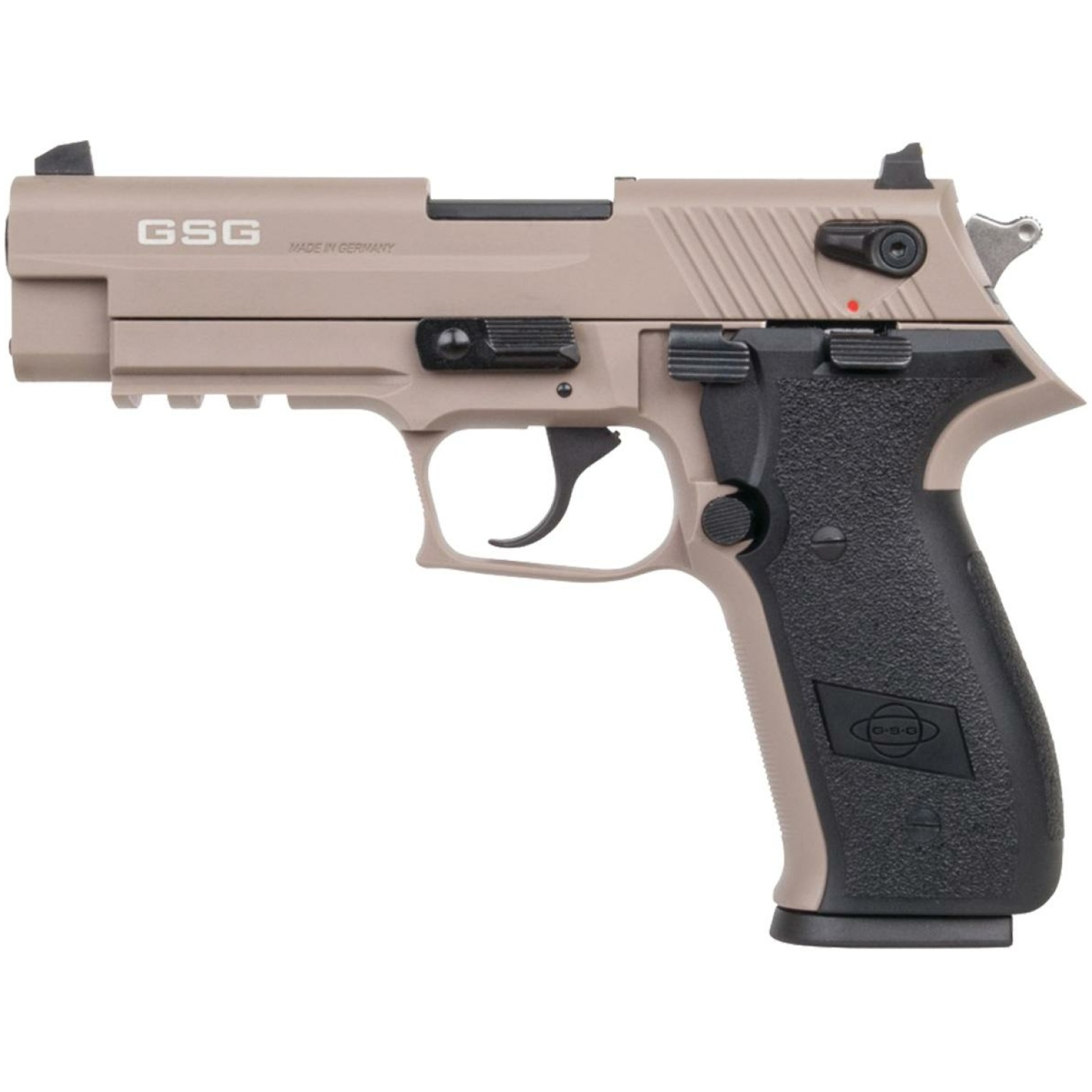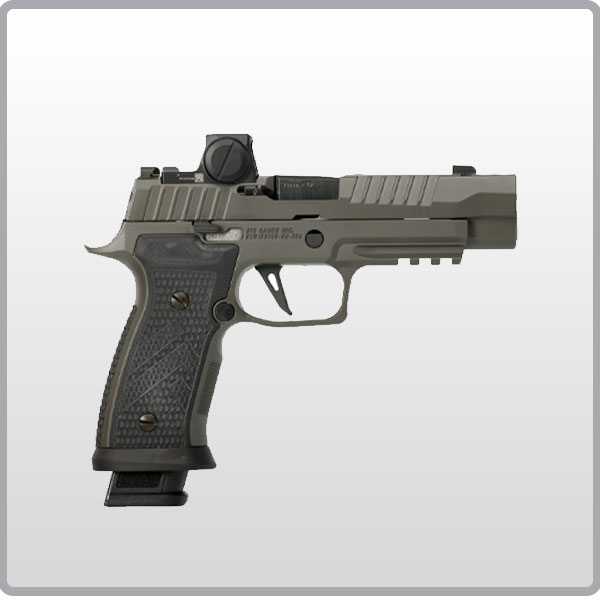
There are cartridges that chase raw velocity, and then there is the .300 AAC Blackout — a round that asked a smarter question. Instead of asking “how fast can we throw a bullet?” it asked “how much .30-caliber punch can we fit into a standard AR-15 magazine, and how quiet can we make it?” The answer rewired what a short-barreled .30 is capable of. It is the cartridge that made suppressed .30-caliber shooting genuinely practical, that turned a 7.5-inch barrel from a velocity graveyard into a working hunting platform, and that gave the AR-15 a .30-caliber voice without a single magazine or bolt change.
This guide covers everything: where the .300 Blackout came from, its exact specifications, the two completely different personalities it carries in one chamber, real factory ballistics, bullet types, honest hunting and defense applications, the legal landscape as it stands today, and how it stacks up against the 7.62×39 it was partly built to replace. If you are thinking about building or buying one, read this first.
What Is the .300 AAC Blackout?
The .300 AAC Blackout (SAAMI: .300 BLK; C.I.P.: 300 ACC Blackout; metric: 7.62×35 mm) was developed in the United States by Advanced Armament Corporation (AAC) in cooperation with Remington Defense, with AAC’s director of research and development Robert Silvers as the named lead engineer. Development began in 2009 and most of the work was completed in 2010. SAAMI approved the cartridge on January 17, 2011, with the drawing revised on May 20, 2022. Remington had acquired AAC in October 2009.
The design goal was refreshingly specific: deliver a .30-caliber bullet from the M4/AR-15 platform using standard bolts and standard 30-round STANAG magazines, with no bolt or magazine swap between supersonic and subsonic ammunition. That single constraint — fit the heavy bullets in a normal AR magazine — is the entire reason the cartridge exists in the shape it does.
It is the SAAMI-standardized evolution of the .300 Whisper, a wildcat J.D. Jones copyrighted in 1992. The Whisper and the Blackout are related but not identical — the Blackout is the factory-supported, safe-pressure, interchangeable version that manufacturers could actually build around.
A note on attribution: you will sometimes see “Sam Drucker” credited as a developer. That name does not appear in the primary sources we verified; Robert Silvers is the documented AAC lead. We flag it rather than repeat it as fact.
Specifications
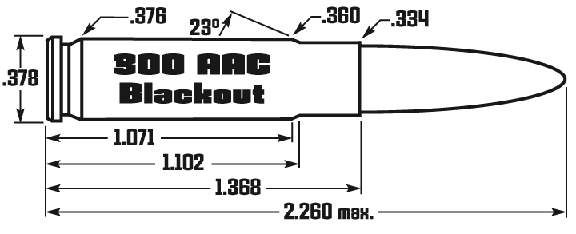
The .300 Blackout is a rimless, bottlenecked, short-action cartridge derived from the .223 Remington / 5.56 NATO case family — opened up to .30 caliber. (For lineage clarity: the .223 descends from the .222 Remington, and the .221 Fireball is a shortened .222 sibling, not the ancestor of the .223. The Blackout’s practical parent is the .223/5.56 case.)
| Dimension | Value |
|---|---|
| Bullet diameter | .308 in (7.8 mm) |
| Neck diameter | .332 in (8.4 mm) |
| Base diameter | .3759 in (9.55 mm) |
| Rim diameter | .378 in (9.6 mm) |
| Case length | 1.368 in (34.7 mm) |
| Overall length (max COAL) | 2.26 in (57 mm) — fits AR magazines |
| Case capacity | ~25.1–26.5 gr H₂O |
| SAAMI Maximum Average Pressure | 55,000 psi (piezo) |
| Common rifling twist | 1:8 in (1:7 for heavy subsonic) |
Two things to keep straight. First, the case capacity is roughly 25–26.5 grains of water — not the ~35.5 figure you sometimes see floating around, which actually belongs to the 7.62×39. Second, the twist rate is a barrel-maker choice, not a SAAMI cartridge spec. A 1:8 twist is the common AR standard because it balances supersonic and many subsonic bullets; 1:7 is recommended for the heaviest 200–220 grain subs; 1:10 suits light supersonic loads but can keyhole a 220-grain subsonic.
Designations: .300 AAC Blackout (official), .300 Blackout (colloquial), .300 BLK (SAAMI abbreviation), 7.62×35 mm (metric). It is not the .300 Whisper, and it is not interchangeable with 7.62×39 despite the matching bullet diameter.
The Two Personalities: Subsonic and Supersonic
This is the defining feature of the .300 Blackout, and the thing that makes it genuinely different from almost every other rifle cartridge. The same chamber, the same magazine, the same rifle can fire two completely different kinds of ammunition:
- Supersonic — light bullets (110–150 gr) driven at 1,900–2,375 fps for hunting and general use, with a flat trajectory and explosive expansion.
- Subsonic — heavy bullets (190–220 gr) held below the speed of sound (~1,125 fps at sea level) at roughly 940–1,050 fps, for suppressed shooting where the absence of a sonic crack is the whole point.
A suppressor can muffle muzzle blast, but it cannot eliminate the sonic crack of a bullet traveling faster than sound. That crack is the sharp ballistic shockwave that gives away a shot and can still damage hearing even with a can on the barrel. A subsonic bullet never breaks the sound barrier, so there is no crack to suppress — which is why the .300 Blackout earned its reputation as the suppressed-shooter’s .30.
Factory Ballistics
All figures below are manufacturer-published, typically from a 16-inch test barrel. We treat the verified numbers as fact and flag anything we could not tie to a primary source.
Supersonic loads
| Load | Muzzle Velocity | Muzzle Energy | G1 BC |
|---|---|---|---|
| Hornady BLACK 110 gr V-MAX | 2,375 fps | 1,378 ft-lb | 0.290 |
| Barnes VOR-TX 110 gr TAC-TX FB | 2,350 fps | ~1,349 ft-lb | 0.289 |
| Hornady American Gunner 125 gr HP | 2,175 fps | 1,313 ft-lb | — |
| Fiocchi Hyperformance 125 gr SST | 2,200 fps | ~1,340 ft-lb | — |
| Federal Fusion MSR 150 gr | 1,900 fps | 1,202 ft-lb | 0.330 |
A common misconception is that the .300 Blackout throws 1,800–2,200 ft-lb of energy. It does not. Verified factory supersonic muzzle energy tops out near 1,378 ft-lb with the 110-grain V-MAX. Anything above ~1,400 ft-lb for a factory load is unverified — treat it as handload territory, not a factory spec.
Subsonic loads
| Load | Muzzle Velocity | Muzzle Energy | G1 BC |
|---|---|---|---|
| Hornady BLACK 208 gr ELD Match | 1,020 fps | 480 ft-lb | 0.648 |
| Federal American Eagle 220 gr OTM | 990 fps | 472 ft-lb | — |
| Remington 220 gr OTM Subsonic | 940 fps | ~432 ft-lb | 0.680 |
The subsonic energy band of roughly 400–550 ft-lb checks out against manufacturer data. Note that the original AAC-branded 220-grain subsonic is best represented today by the Remington 220 gr OTM as its direct successor; a live AAC-branded factory load sheet could not be confirmed.
Barrel-length sensitivity
One of the .300 Blackout’s genuine strengths is how well it holds velocity out of short barrels, because the small case burns efficiently. Chronograph-tested trend:
| Barrel | 110 gr (fps) | 125 gr (fps) | 220 gr sub (fps) |
|---|---|---|---|
| 7.5 in | 1,960 | 1,825 | 995 |
| 10.5 in | 2,190 | 2,050 | 1,040 |
| 16.0 in | 2,350 | 2,215 | 1,060 |
The supersonic 110-grain loses roughly 30 fps per inch of barrel, but the subsonic 220-grain barely moves across the entire range — about 75 fps from 7.5 to 16 inches. That near-flat subsonic curve is exactly why the .300 Blackout is so well suited to pistols and short-barreled rifles: you lose almost nothing by going short.
Trajectory and energy retention
For supersonic loads zeroed at 100 yards, drop runs roughly 0 inches at 200 yards and −13.7 to −33 inches at 300 yards depending on the bullet. Energy retention is about 75–80% of muzzle energy at 100 yards and 55–60% at 200 yards. Subsonic loads drop fast by comparison — about −8.8 inches at 100 yards — which is consistent with their short-range role.
Recoil and accuracy
Supersonic .300 Blackout recoil is roughly 6 ft-lb, noticeably softer than the 7.62×39’s ~8.5 ft-lb. (A verified 5.56 NATO recoil figure could not be retrieved in this pass, so we won’t publish a number for it.) In an AR-15 the round is widely described as mild-shooting, with subsonic loads very soft.
On accuracy: there is no manufacturer-published MOA spec for a .300 Blackout from a 1:8 twist AR. A reasonable working expectation — stated as an inference, not a spec — is roughly 1–2 MOA with quality or match ammunition from a good barrel. Subsonic accuracy varies more by load.
Bullet Types
The .300 Blackout’s bullet lineup splits cleanly by weight and purpose.
110–125 grain supersonic — varmint, predator, and medium game. The Hornady 110 gr V-MAX is a polymer-tipped round built for explosive effect on small predators. The Barnes 110 gr TAC-TX is an all-copper bullet optimized for short carbine barrels, marketed for double-diameter expansion and weight retention. The 125-grain SST is sold in .300 BLK via Fiocchi Hyperformance. (Correction worth noting: the Barnes .300 BLK TAC-TX line is 110 gr and 120 gr — a “125 gr TAC-X” is not a current Barnes factory offering.)
130–150 grain supersonic — deer and medium game. The Federal Fusion MSR 150 gr was Federal Premium’s first hunting-specific .300 Blackout load, a bonded soft point tuned for self-loading rifles at about 1,900 fps.
190–220 grain subsonic — suppressed shooting and heavy-for-caliber terminal effect. The Remington 220 gr OTM, the Hornady 208 gr ELD Match, and the Federal American Eagle 220 gr OTM are the workhorses. (Correction: a “Federal 205 gr subsonic” is not a .300 Blackout load — Federal’s 205-grain subsonic is a .308 Winchester product. Federal’s .300 BLK subsonic is the 220 gr OTM.)
Lead-free / monolithic copper. Barnes all-copper TAC-TX and TSX bullets serve areas with lead-ammo restrictions. Lead-free mandates are jurisdiction-specific, so verify your state’s rule before relying on copper-only ammunition.
Hunting Applications
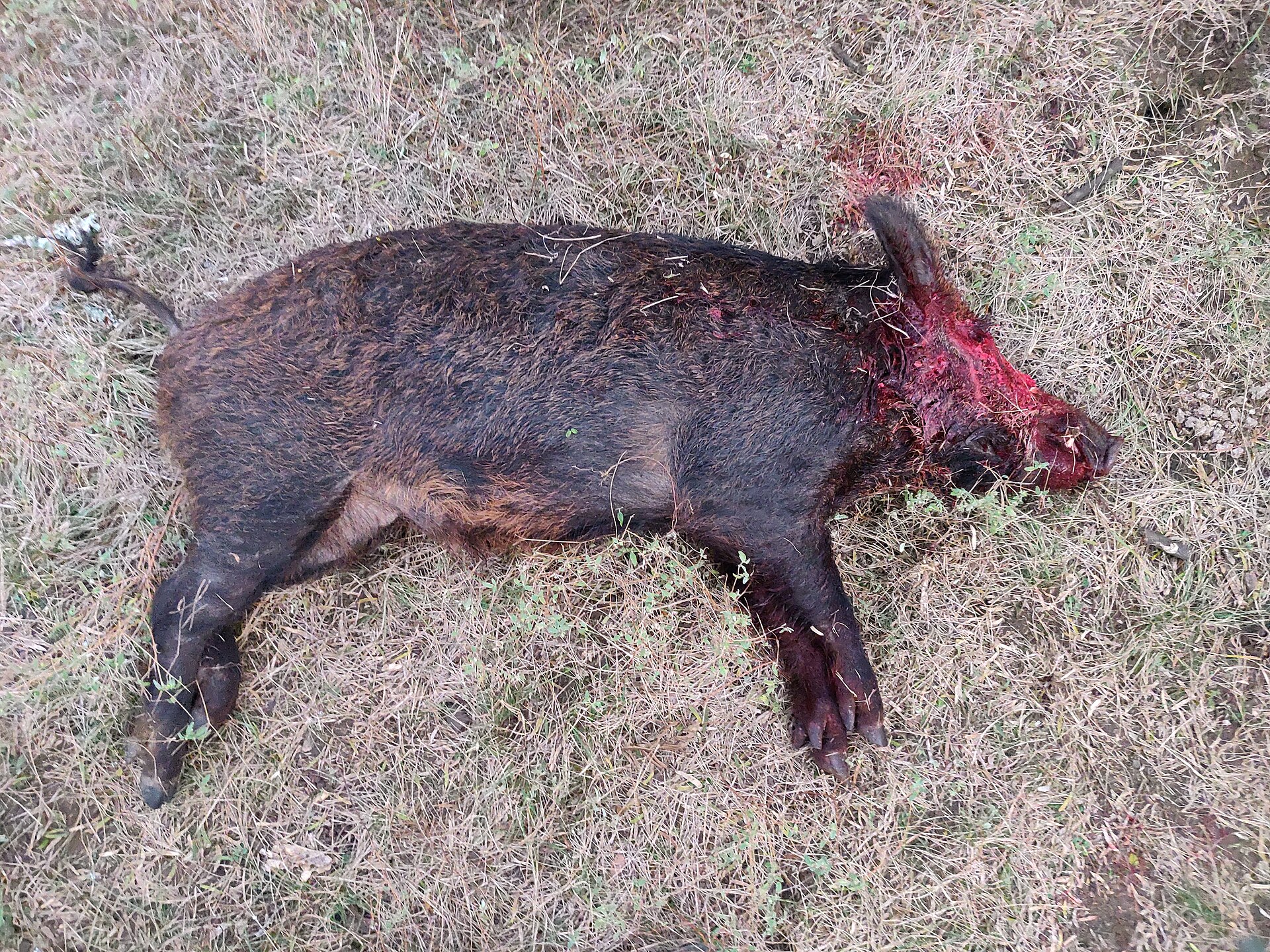
The .300 Blackout is a close-to-moderate-range cartridge, and honest hunting advice starts there. It is not a field rifle for open country.
- Deer and feral hogs: supersonic 110–150 grain loads (V-MAX, TAC-TX, Fusion MSR 150) deliver good terminal effect on medium game at close to moderate range, with the Barnes TAC-TX specifically marketed for penetration and weight retention on tough hides.
- Coyote and predator control: the supersonic light bullets give explosive results on small predators.
- Night hog and varmint work: this is the signature role — a suppressed AR with subsonic 208–220 grain lets you work after dark without deafening yourself or spooking an entire area.
A word of honesty on effective range: no manufacturer publishes a single “effective range” number for .300 Blackout hunting, and the specific yardages you see quoted online are field consensus rather than verified figures. Treat the round as a close-to-moderate-range, barrier-efficient, suppressor-friendly tool, and place your shots accordingly.
The Suppressed Role
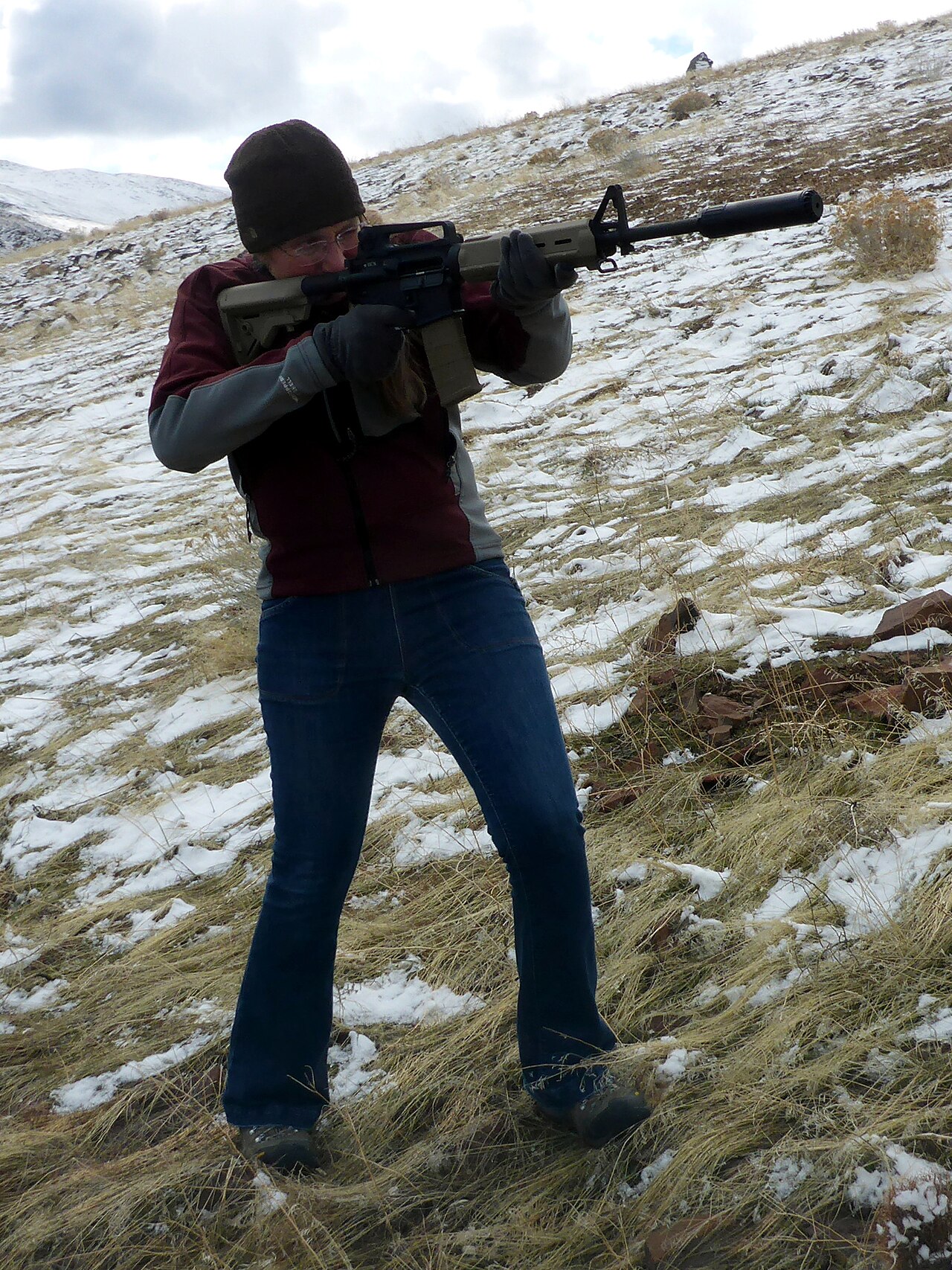
If the .300 Blackout has a calling card, it is suppressed shooting. The physics is simple and important: a suppressor slows and cools expanding gases to cut muzzle blast, but it cannot remove the sonic crack of a supersonic bullet. A subsonic bullet stays below the sound barrier, so there is no crack — making suppressed fire genuinely quiet and often hearing-safe.
In a suppressed AR, subsonic 208–220 grain loads give a quiet, heavy-for-caliber projectile for night varmint and hog work. One practical caveat worth knowing: subsonic loads can cycle poorly in some firearms without a suppressor, because the suppressor itself provides back-pressure that helps cycle the action. Pair subsonic ammunition with a suppressor and a properly tuned gas system. (This cycling point is forum-sourced general guidance rather than a manufacturer spec.)
Home Defense — An Honest Assessment
This is where a lot of hype needs a reality check, so we will be straight with you.
The case for it: a suppressed .300 Blackout firing an expanding subsonic 208–220 grain is quiet, and because the heavy bullet is subsonic and expanding, it is generally regarded as reducing over-penetration compared with a full-power supersonic rifle round inside a home.
The honest caveats:
- Supersonic .300 Blackout loads over-penetrate just like any rifle round. The over-penetration advantage exists only with the subsonic load in a suppressed firearm.
- A rifle is still long to maneuver in hallways and doorways. A short-barreled .300 BLK helps, but it is not a handgun.
- Subsonic terminal energy is roughly pistol-class. Some secondary sources compare subsonic .300 BLK muzzle energy to a .45 ACP — useful, but not rifle-class penetration. (This equivalence is forum-sourced; no primary gel-test data was cited, so we flag it as unverified.)
- Bullet choice is critical. A subsonic FMJ/OTM that does not expand can over-penetrate; a quality expanding subsonic projectile is what delivers the reduced-over-penetration benefit.
Balanced verdict: a suppressed subsonic .300 Blackout is a legitimate suppressed-home-defense option with real quiet and reduced-over-penetration benefits — but it demands the right load, a suppressor, and acceptance that a rifle-length platform is harder to maneuver indoors than a handgun. It is not a magic over-penetration solution.
The Legal and NFA Landscape (Verify Before You Act)
This section is fluid and jurisdiction-dependent. Nothing here is legal advice. Verify current ATF guidance and your state and local law before making, buying, or transferring anything.
As of late 2026, the federal picture has shifted significantly. Congress eliminated the making and transfer taxes on certain NFA firearms in the One Big Beautiful Bill (Public Law 119-21, signed July 4, 2025, with the tax reduction effective January 1, 2026). Under ATF’s updated guidance, the agency will not enforce the requirement for individuals to obtain ATF approval before making or transferring short-barreled rifles, short-barreled shotguns, suppressors, and certain “any other weapons,” and will not enforce the NFA registration or tax-stamp requirements for those items. The $200 tax remains in place for machine guns and destructive devices, and the guidance does not supersede state and local laws that restrict NFA firearms.
On pistol braces specifically: the 2023 ATF pistol-brace rule was vacated in June 2024 (Mock v. Garland), and as of 2026 attaching a stabilizing brace does not by itself turn a pistol into an SBR under federal law — but a proposed rule to restore earlier language was still pending, and physically installing a real stock on a sub-16-inch-barreled rifle still builds an SBR. The brace question is genuinely in flux.
Practical takeaway: the federal tax and registration burden on suppressors and SBRs has effectively dropped to zero and is non-enforced as of late 2026, but state and local law may still prohibit them, the brace question is still moving, and ATF guidance can change. Always check the current ATF page and your state before acting.
.300 Blackout vs 7.62×39
The .300 Blackout is often framed as the modern answer to the 7.62×39, and the comparison is instructive.
| Factor | .300 Blackout | 7.62×39 |
|---|---|---|
| Bullet diameter | .308 in | .311 in |
| Case capacity | ~26.5 gr H₂O | ~35.6 gr H₂O |
| SAAMI pressure | 55,000 psi | ~45,000 psi (secondary-sourced) |
| Magazine compatibility | Standard STANAG/M4 AR mags | Tapered case — feeding issues in standard AR mags |
| Recoil | ~6 ft-lb | ~8.5 ft-lb |
| Factory subsonic option | Yes | No |
| Long-range trajectory (123 gr) | Shorter-range focus | Slightly better past ~300 yd |
The .300 Blackout wins on platform compatibility (it runs in standard AR magazines where the 7.62×39’s severe taper causes feeding problems), suppressor versatility, and recoil. The 7.62×39 wins on raw case capacity and surplus availability. Terminal effect between the two is described as very similar — both are .30-caliber intermediate rounds — but the .300 Blackout uses more modern, higher-BC bullets and expands reliably from short barrels.
Rifle Platforms
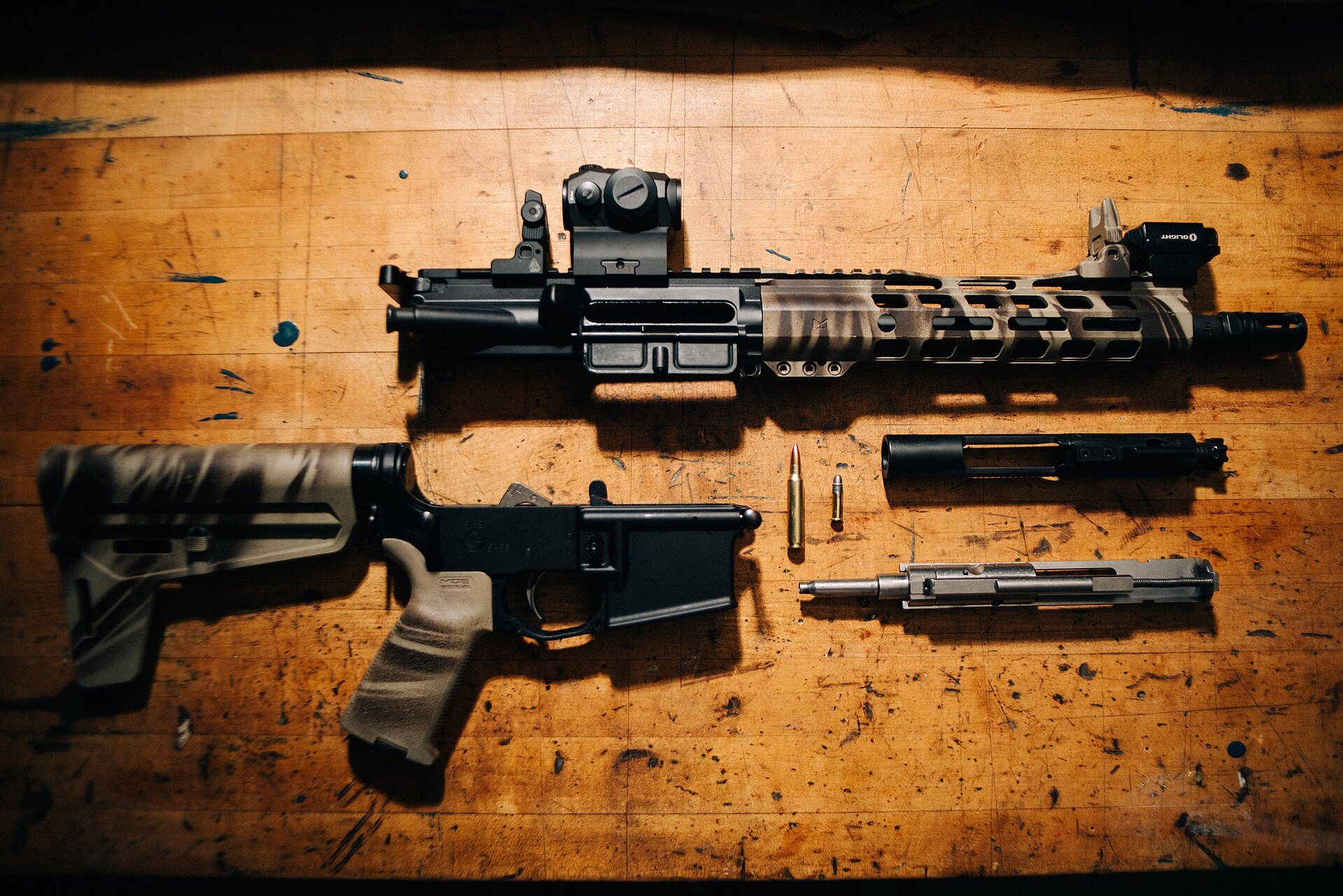
The .300 Blackout was designed for the AR-15, and that is where it shines. A barrel swap is the only change needed to run it in the same lower and magazines as 5.56 — a cheap caliber change for suppressed or short-barrel builds. It is popular in AR pistols, short-barreled rifles, and PDW-style configurations precisely because the cartridge retains energy where the 5.56 falls off. Beyond the AR, the round has appeared in bolt-actions and single-shots, but the platform story is overwhelmingly “AR-15 with a .300 BLK barrel.”
If you are building, match the twist to your intended ammunition: 1:8 for a mix of supersonic and subsonic, 1:7 if you live on the heaviest 200–220 grain subsonic loads, and a tuned gas system if you plan to run subsonic without a suppressor.
Pros and Cons
Pros
- Excellent suppressed performance with subsonic loads — quiet and hearing-safe.
- Runs in standard 5.56 magazines and lowers with only a barrel change.
- Good short-barrel efficiency compared to 5.56.
- Heavy-for-caliber terminal effect at close range.
- Lead-free all-copper options for restricted areas.
- Mild recoil.
Cons
- Not a long-range cartridge; modest effective range.
- Subsonic loads can cycle poorly without a suppressor.
- Supersonic loads over-penetrate like any rifle round.
- Rifle-length platform is harder to maneuver indoors than a handgun.
- The legal and brace landscape is still shifting.
Recommendations by Use-Case
| Use case | Recommended load | Rationale |
|---|---|---|
| Varmint / predator (day) | 110 gr V-MAX or Barnes TAC-TX (supersonic) | Explosive on small predators, flat trajectory |
| Coyote / predator (open) | 110–125 gr supersonic | Velocity and expansion at moderate range |
| Feral hogs (close) | 110–125 gr supersonic (TAC-TX / Fusion 150) | Penetration and weight retention on tough hide |
| Night hog / varmint (quiet) | 208 gr ELD Match or 220 gr subsonic + suppressor | Subsonic = no sonic crack, heavy projectile |
| Deer (close-moderate) | 150 gr Fusion MSR or 120 gr Barnes TAC-TX | Controlled expansion on medium game |
| Suppressed home defense | 208–220 gr expanding subsonic + suppressor | Quiet plus reduced over-penetration vs supersonic |
| Lead-restricted hunting | Barnes all-copper TAC-TX / TSX | Lead-free compliance |
| Training / plinking | 125 gr FMJ or 220 gr subsonic | Cheap, reliable, platform-compatible |
The Verdict
The .300 AAC Blackout is not trying to be a long-range rifle cartridge, and judging it by that standard misses the point entirely. It is a suppressor-first, short-barrel-friendly .30 caliber that pairs explosive supersonic light bullets with genuinely quiet heavy subsonic loads — a close-to-moderate-range powerhouse for predators, hogs, and stealth defense, and the most practical way to put .30-caliber terminal effect into a standard AR-15 without changing a single magazine.
Its genius is versatility in one chamber: supersonic for the hunt, subsonic for the quiet hours. Its limits are equally clear — modest range, a rifle that is long to maneuver indoors, and a legal landscape that you must keep your eye on. For the shooter who wants a suppressed .30, a short-barrel performer, or a do-it-all AR caliber that runs the same magazines as their 5.56, the .300 Blackout is one of the smartest choices on the market.
Ready to build or feed one? Browse the full selection of .300 Blackout rifles, barrels, and factory ammunition at Patriotic Firearms — and if you want honest, no-nonsense guides like this one delivered to your inbox, join the newsletter below.
About the Author
Nathan Grill is a writer and lifelong firearms enthusiast with Patriotic Firearms, where he researches and publishes in-depth, source-verified guides on cartridges, rifles, and the Second Amendment. His work focuses on giving honest, practical information to responsible gun owners — the kind of straight talk you can trust before you buy.
Stay in the loop. Get new deep-dive guides, product breakdowns, and firearms news straight to your inbox at patrioticfirearms.com/newsletter.
Legal disclaimer: This article is for informational and educational purposes only and does not constitute legal advice. Firearm laws, including NFA regulations governing suppressors and short-barreled rifles, vary by state and locality and are subject to change. Always verify current federal, state, and local laws — and consult the current ATF guidance — before purchasing, making, or transferring any firearm, suppressor, or NFA item.