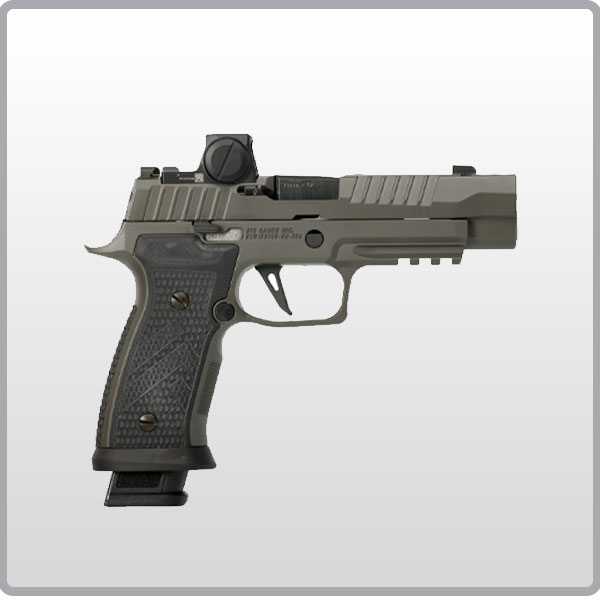
Choosing the Right 9mm Ammo: A Guide for Plinking, Self-Defense, and Competition in 2026
Choosing the Right 9mm Ammo: A Guide for Plinking, Self-Defense, and Competition in 2026
If you have ever stood in front of an ammo aisle or scrolled through a website like patrioticfirearms.com, you have probably felt overwhelmed. 115-grain or 124-grain? FMJ or JHP? Brass or steel case? The truth is, not all 9mm ammunition is created equal, and picking the wrong load for your needs can mean a bad day at the range, poor performance in an emergency, or unnecessary recoil.
The good news? You do not need to be a ballistics expert to make a smart choice. In this guide, we break down the three most common use cases for 9mm ammo: plinking and training, self-defense, and competition. We will look at what makes each type tick, weigh the pros and cons, and highlight two standout products currently available in our shop.
Why Ammo Type Matters More Than You Think
Your handgun is only as good as the ammunition it fires. Using a high-velocity self-defense round for casual plinking can lead to excessive recoil and faster wear on your firearm. Conversely, using a budget FMJ (Full Metal Jacket) round for home defense is simply dangerous, as these rounds are designed to penetrate without expanding.
Here is the quick rule of thumb:
- FMJ (Full Metal Jacket): Best for range practice. The metal jacket allows the bullet to feed reliably and keeps recoil predictable.
- JHP (Jacketed Hollow Point): Best for self-defense. The hollow point expands upon impact, transferring energy more effectively and reducing over-penetration risks.
1. Plinking and Training: PMC Bronze 9mm Luger
When you are heading to the range to practice your draw stroke, sight alignment, or just enjoy shooting steel plates, you want ammo that is affordable, reliable, and easy on your wallet. This is where PMC Bronze shines.
PMC has built a reputation for producing consistent, brass-cased ammunition that feeds smoothly in almost any 9mm pistol. The 115-grain FMJ load is the gold standard for recreational shooting.
 PMC Bronze 9mm Luger: The Range Workhorse
Key Specifications
| Spec | Detail |
|---|---|
| Grain Weight | 115 Grain |
| Bullet Type | Full Metal Jacket (FMJ) |
| Casing | Brass |
| Velocity | Approx. 1,150 fps |
| Price (50rd Box) | $13.05 |
Pros and Cons
| Pros | Cons |
|---|---|
| Extremely affordable for high-volume training | Not suitable for self-defense (non-expanding) |
| Bright brass cases make case inspection easy | Limited availability during national ammo shortages | None significant for casual use |
Verdict: If you are shooting 200+ rounds a session or just want to keep costs down, PMC Bronze is a no-brainer. It is reliable, clean-burning, and widely regarded as one of the best value 9mm ammo options on the market.
2. Self-Defense: Underwood Ammo Sporting Handgun
When it comes to carrying for protection, you cannot cut corners. You need ammunition that expands predictably, penetrates deep enough to reach vital organs, and stops over-penetration hazards in residential settings. For this, we recommend Underwood Ammo.
Underwood is known for their “Extreme Penetrator” and sporting lines. Their 115-grain JHP (Jacketed Hollow Point) load is tuned for high velocity (1,400 fps), which helps with both expansion and terminal performance.
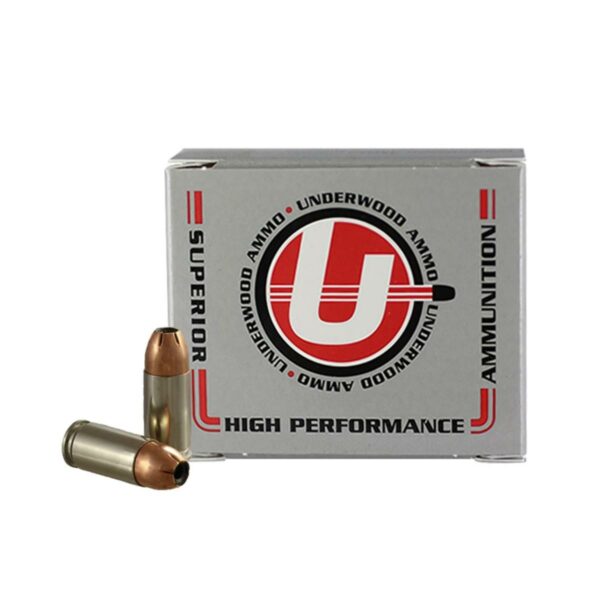 Underwood Sporting 9mm: Built for Protection
Key Specifications
| Spec | Detail |
|---|---|
| Grain Weight | 115 Grain |
| Bullet Type | Jacketed Hollow Point (JHP) |
| Casing | Brass |
| Velocity | 1,400 fps |
| Price (20ct Box) | $19.85 |
Pros and Cons
| Pros | Cons |
|---|---|
| Highly reliable expansion in ballistic gel tests | Premium price compared to target ammo | Higher recoil impulse due to velocity |
| Excellent for both handguns and compact carbines (PCC) | Not ideal for high-volume range time |
Verdict: Underwood is a top-tier choice for anyone carrying their 9mm for personal protection. The increased velocity ensures the bullet performs as intended, even through heavy clothing or car windows.
What About Competition Shooting?
If you compete in USPSA or IDPA, you might prefer heavier bullets (124gr or 147gr) for softer recoil and better timing. While we do not currently stock specific competition loads like Federal Syntech, many shooters use PMC Bronze for training because its reliable cycling helps build muscle memory without breaking the bank.
Frequently Asked Questions (FAQ)
Can I use FMJ ammo for self-defense?
No. FMJ rounds are designed to penetrate deeply and exit the target. In a self-defense scenario, this increases the risk of injuring bystanders or damaging property. Always use JHP (Jacketed Hollow Point) ammo for carry.
What is the difference between 115-grain and 124-grain 9mm?
115-grain ammo typically has a flatter trajectory and less recoil, making it great for beginners and plinking. 124-grain ammo often retains energy better at longer distances and provides a slightly softer impulse in many pistols.
Is brass-cased ammo better than steel?
Brass is more reliable, corrosion-resistant, and reloader-friendly. Steel case can be cheaper but may cause more wear on your firearm and occasional feeding issues in some pistols.
Final Thoughts
Choosing the right 9mm ammo depends entirely on what you are using your handgun for. For range days, stick with reliable FMJ like PMC Bronze. For protection, trust a proven JHP like Underwood Sporting. By understanding these differences, you can shoot smarter, safer, and more confidently.
Ready to stock up? Check out our full selection of 9mm ammunition on patrioticfirearms.com!